Applications & Cases

Where LSR engineering removes a real failure mode.

Five representative programs across medical, infant & mom, automotive, wearable and consumer electronics products. Each case is structured as Challenge → Engineering Solution → Result — the way a procurement and engineering team actually evaluates a manufacturing partner.

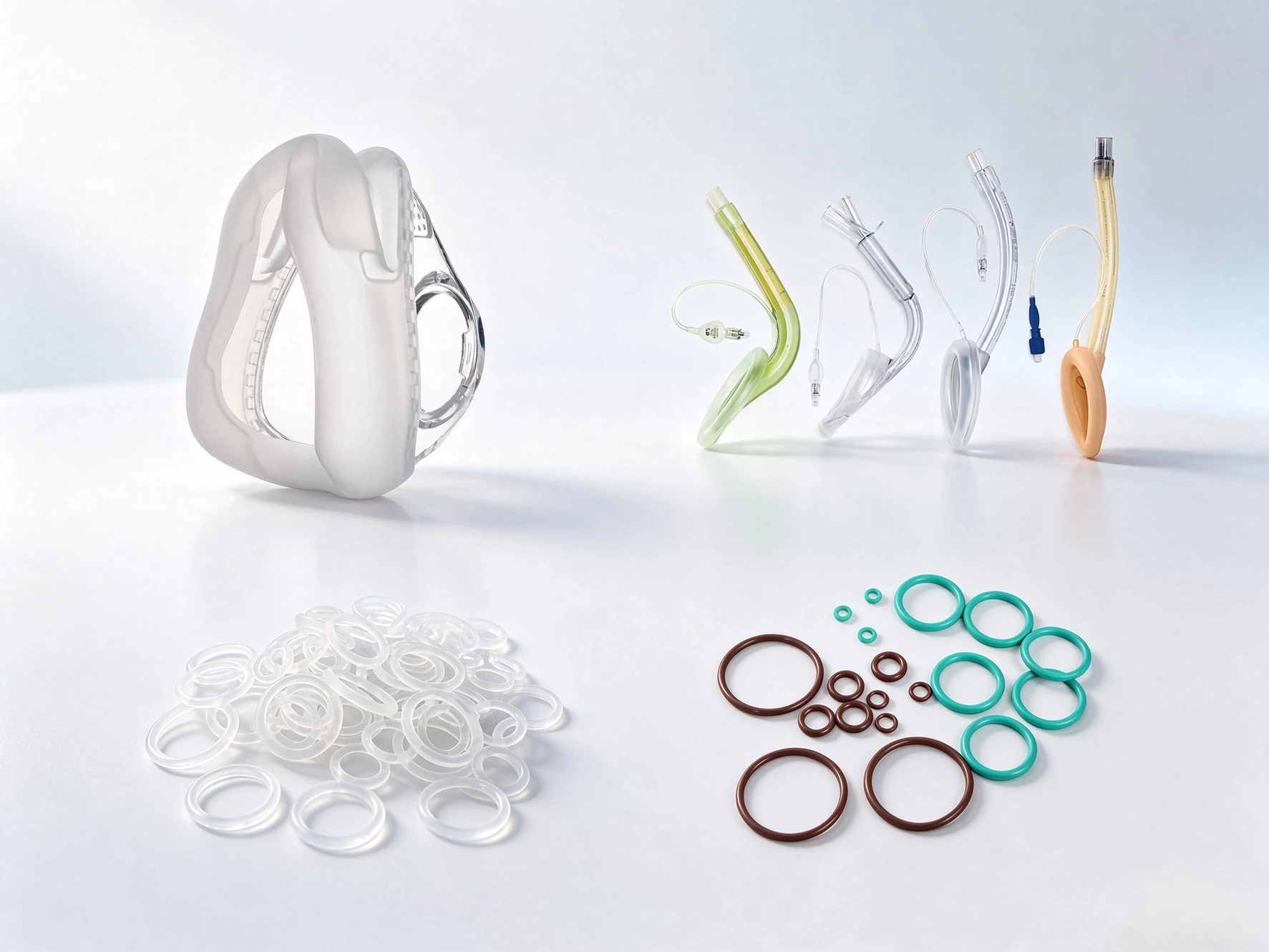
Medical grade LSR valve and seal components on a stainless steel tray

Case 01Medical-grade LSR

Medical Valves & Seals

Challenge

A single-use fluid-path valve needed a leak-tight seat, repeatable actuation force and bore geometry that stayed stable after sterilization — without introducing extractables from secondary assembly.

Engineering Solution

We molded the seal and valve seat in a medical-grade LSR on a polished cold-runner tool, controlled cure and post-cure, and validated the assembly with pressure-decay testing plus dimensional reports from 2D vision measurement. Material and lot traceability were documented for the design history file.

Result

A repeatable, leak-tight component with a documented inspection package, fewer assembly steps and a material route that supports ISO 10993 and USP Class VI review.

Medical-grade LSRCold runnerPressure decayISO 10993 docs
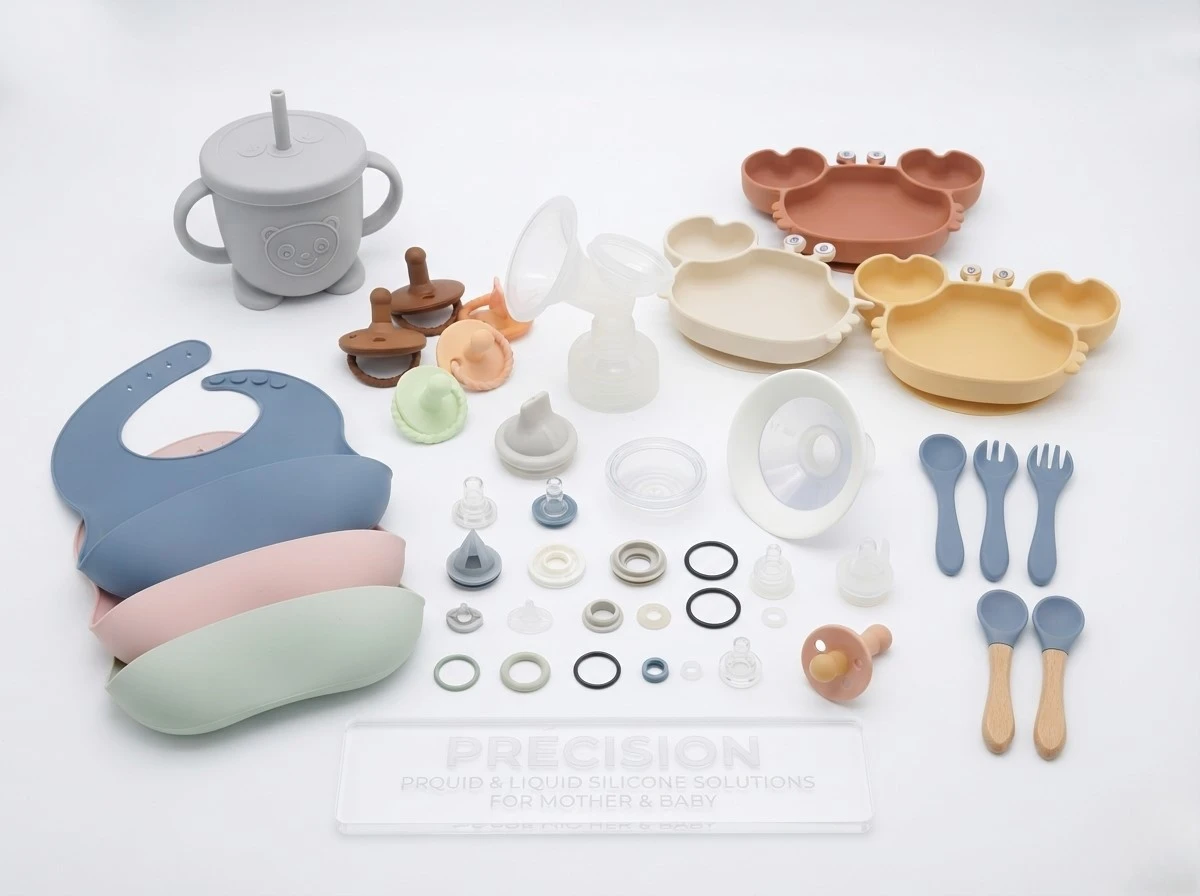
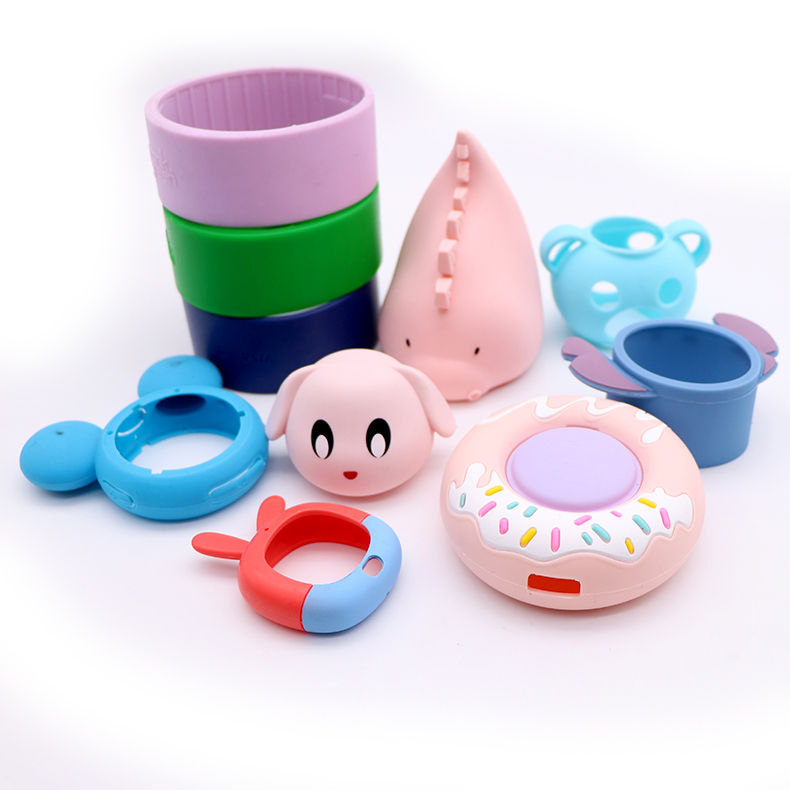
Soft translucent food-contact silicone infant parts on a white background

Case 02FDA-grade LSR

Infant & Mom Parts

Challenge

A soft-touch infant product required low odor and taste transfer, safe rounded edges, stable softness after repeated sterilization and a clean parting line — all with food-contact documentation.

Engineering Solution

We selected an FDA 21 CFR 177.2600 and LFGB-capable platinum-cure LSR, designed a cold-runner tool with a controlled parting line, and kept post-molding handling and packing under cleanliness controls. Shore hardness and surface were checked lot by lot.

Result

A consistent, low-odor soft part with clean edges, documented food-contact material and a manufacturing route that scales from pilot samples to retail volume.

FDA-grade LSRLFGB-grade LSRPlatinum cureLow odor
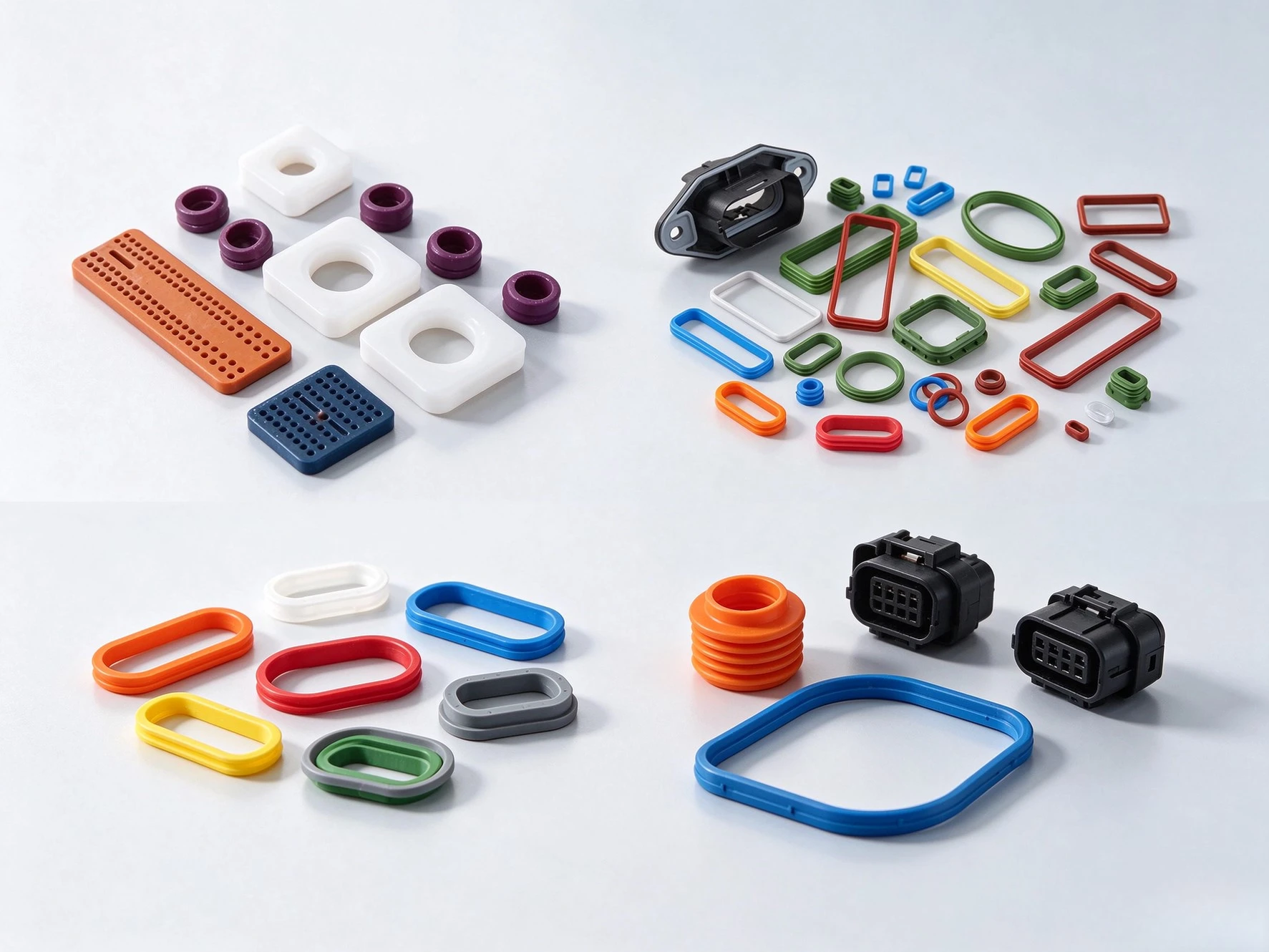
Automotive connector with black LSR overmolded waterproof seal

Case 032K overmolding

Automotive Waterproof Connectors

Challenge

A multi-pin connector had to seal against water and dust while surviving vibration, temperature cycling and repeated cable movement. A separate gasket added assembly cost and a potential leak path.

Engineering Solution

We overmolded LSR directly onto a PA66 housing with a mechanical interlock and primer-assisted bond, integrating the cable strain relief into the same shot. Mold temperature, substrate dryness and cure were locked, then verified with pull and peel tests plus leak validation.

Result

One sealed connector instead of housing plus gasket, with consistent bond coverage, fewer assembly operations and a process window documented for series production.

2K overmoldingPA66Strain reliefLeak validation
Wearable device housing with overmolded liquid silicone soft grip

Case 042K overmolding

Wearable & Skin-Contact Devices

Challenge

A skin-contact wearable needed a soft, sealed grip that could survive sweat, sunscreen, UV exposure and drops, while keeping a cosmetic surface and thin overmold walls around buttons and ports.

Engineering Solution

We overmolded 40–60 Shore A LSR onto a PC substrate with primer-assisted adhesion, designed the overmold thickness and flow path to avoid cosmetic defects, and validated the bond with peel testing after environmental conditioning.

Result

A sealed, comfortable grip with a controlled cosmetic surface, fewer parts and an assembly that is ready for drop and environmental validation.

2K overmoldingPC substrateSkin contactPeel tested
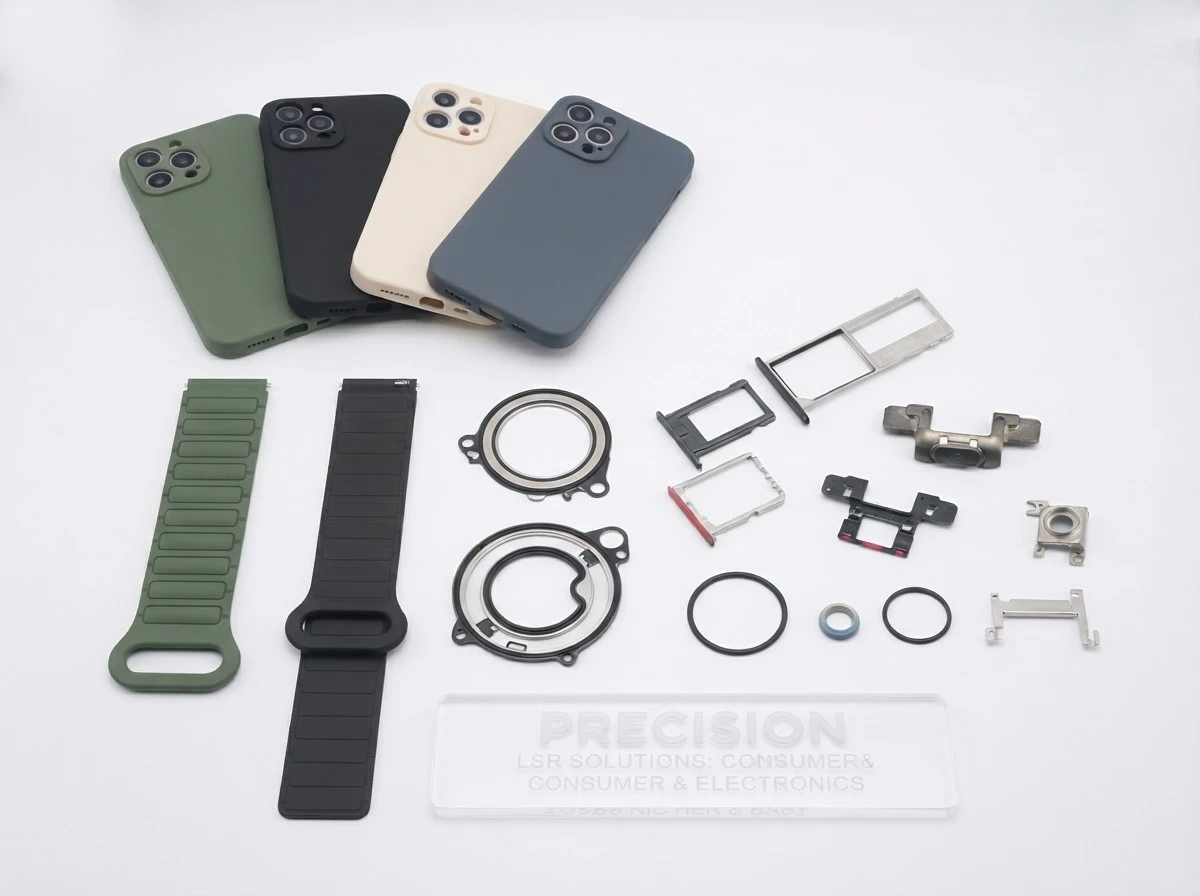
Consumer electronics device with thin overmolded LSR waterproof seal

Case 05IP67 sealing

Consumer Electronics Sealing

Challenge

A compact consumer device needed IP67 protection without increasing housing size. The seal had to survive sweat, sunscreen, UV and drop testing while staying invisible on a cosmetic surface.

Engineering Solution

We overmolded a thin LSR seal directly onto the PC/ABS housing in a two-shot tool, using a controlled parting line to keep flash off the visible face. Seal compression and wall thickness were fixed during T1, then verified with leak testing and dimensional reports.

Result

A sealed, cosmetic housing with no separate gasket, fewer assembly steps and a process window documented for high-volume production.

IP67 sealing2K overmoldingThin wallLeak tested

Common thread

What every case has in common.

None of these outcomes came from a catalog part. They came from controlling the interfaces between material, tool and assembly.

01 / DESIGN

Engineering review before tooling

Parting lines, wall transitions, undercuts and bonding surfaces are resolved on screen before steel is cut.

02 / PROCESS

Locked process windows

Cure time, mold temperature, injection profile and substrate preparation are documented and repeatable.

03 / PROOF

Measured, not assumed

Dimensional reports, leak or pull tests and material certificates travel with the project — not just the sample box.

Your case

Tell us the failure mode you need to eliminate.

Send the part, the environment and the current problem — leaking, flash, bond failure, assembly cost. We will propose an LSR route with the risks stated plainly.